Introduction
Selecting the right roofing material is crucial for ensuring the durability, efficiency, and aesthetic appeal of your home. With a variety of options available on the market, homeowners can find it challenging to make the best choice. This guide will explore the most popular roofing materials, discussing their pros, cons, and ideal applications to help you make an informed decision.
Types of Roofing Materials
Each type of roofing material offers unique benefits and suits different climatic conditions, architectural styles, and budgetary considerations. Here’s a breakdown of the most commonly used roofing materials:
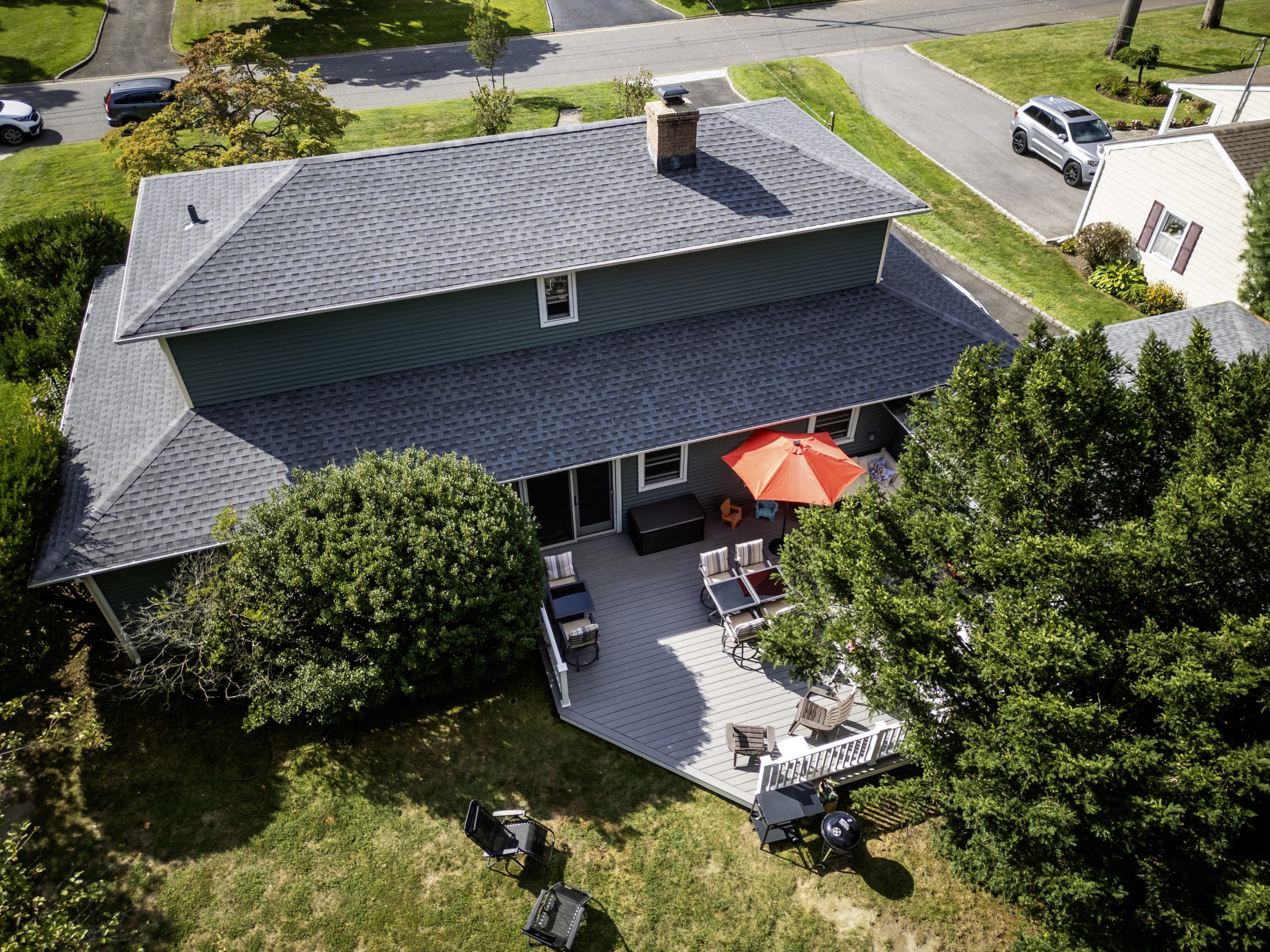
- Asphalt Shingles: Asphalt shingles are the most popular roofing material in North America due to their cost-effectiveness, ease of installation, and variety of styles and colors. They are suitable for a wide range of weather conditions and typically last 20-30 years.
- Metal Roofing: Known for its durability and longevity, metal roofing can last 40-70 years. It is highly resistant to extreme weather conditions and is available in a variety of types such as steel, aluminum, and copper. Metal roofs are also energy-efficient, reflecting solar radiant heat and reducing cooling costs.
- Clay and Concrete Tiles: These materials are favored in hot climates for their ability to withstand high temperatures. They are also extremely durable and offer a distinct aesthetic that complements Mediterranean, Spanish, and Southwestern architecture.
- Slate Roofing: Slate offers a natural look with unmatched durability, often lasting over 100 years. It is fire-resistant and environmentally friendly but can be quite expensive and requires a strong structural support due to its weight.
- Wood Shingles and Shakes: Wood shingles provide a natural look with a bit of rustic charm. They are typically made from cedar, redwood, or southern pine. While wood shingles offer good insulation properties, they are less fire-resistant unless treated and require regular maintenance to prevent decay.
- Synthetic Roofing: This category includes rubber, plastic, and polymer roofing, designed to mimic the look of natural materials like slate and wood. Synthetic roofing is lightweight, less expensive, and often comes with good durability and fire resistance.
Factors to Consider When Choosing Roofing Materials
When selecting roofing materials, consider the following factors:
- Climate: The material should be able to withstand the local climate—whether it’s heavy snow, hurricanes, or extreme heat.
- Aesthetics: Choose materials that will complement the architectural style of your home and enhance its curb appeal.
- Weight: Ensure that your house structure can support the weight of the material you choose.
- Cost: Consider both the upfront costs and the long-term maintenance expenses. Also, factor in the potential energy savings and lifespan of the material.
- Maintenance Requirements: Some materials require more maintenance than others, which can affect long-term convenience and cost.
Conclusion
Choosing the right roofing material is a significant decision that affects the overall longevity and performance of your roof. By understanding the characteristics of each material, you can select the best option that offers durability, aesthetic appeal, and value for money.